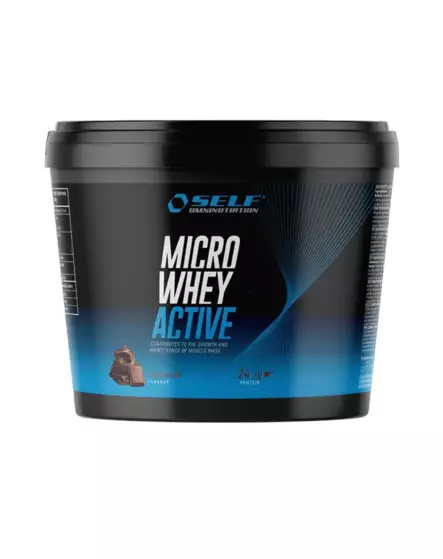
Proteins and Protein Powders


Trained By JP Performance Protein Smooth
What are Protein Powders?
Protein powders are supplements primarily used to facilitate and increase daily protein intake. Adequate protein intake is crucial for athletes, especially for recovery, muscle growth, and fat loss. The use of protein powders is a beneficial tool to complement a balanced diet that supports training, whether you are a top athlete or a beginner.
As mentioned, protein powders are categorized into animal-based and plant-based protein powders. Animal-based protein powders include the well-known whey protein derived from milk, slowly absorbed casein protein, egg protein, various protein blends, and meat protein. Similarly, plant-based protein powders include options like hemp, soy, and pea protein.
Protein powders differ in amino acid profiles, flavor, source, and nutritional content. While all protein powders often serve the same primary purpose, selecting the right protein powder can optimize the best product for your use case. Typical characteristics important for muscle growth include a quality amino acid profile and rapid absorption, while a low-fat content is essential for fat loss. So evaluate your use case and choose the best protein powder for you.
Who Should Use Protein Powder?
Using protein powders is suitable for anyone looking to increase their protein intake in their diet. Contrary to popular belief, protein powders are not beneficial solely for athletes; everyone can benefit from the advantages of protein powders. They can often be beneficial in everyday life, especially when busy schedules make balanced eating challenging. A delicious protein shake can be consumed even during a car ride to a meeting.
What is the best protein powder for me? Goals are individual, and different protein powders support various goals in slightly different ways. The most common whey protein is very versatile and suitable for most purposes. Among whey proteins, you can choose from low-fat and the fastest absorbing whey isolate or a more economical whey concentrate. However, the difference between isolates and concentrates is not substantial. If eating before bed feels uncomfortable for you, casein protein can be an excellent choice. Casein is a milk-based slowly absorbed protein, whose benefits are particularly pronounced when consumed in the evening. Casein is a form of protein that the body easily breaks down, releasing amino acids into the bloodstream over an extended time frame. Taken before bedtime, casein helps maintain protein synthesis throughout the night, aiding recovery and preventing muscle protein breakdown during sleep. Meat protein powders' greatest benefit is a fantastic amino acid profile in lactose-free and soy-free forms. Meat proteins are often an excellent choice for those with sensitive stomachs, as they digest easily and provide the essential amino acids without digestive issues.
Plant-based protein powders, such as pea, hemp, and rice proteins, provide a good option for vegan diets. While the amino acid profiles of these protein sources vary, by combining them, you can achieve a quality and complete amino acid profile that suits vegetarians and vegans.
Ultimately, the best protein powder depends on your individual needs and goals. By trying different options, you'll find the most suitable and optimal protein powder that supports your training and helps you achieve your objectives.
How to Use Protein Powder?
Using protein powders is versatile and easy, as it fits various situations and diets. The most common way to use protein powder is to mix it with a liquid such as water or milk and enjoy a protein-rich shake, especially right after training. A protein shake can also be consumed as a snack or as part of breakfast, providing quickly absorbed protein that supports muscle recovery and growth, while conveniently maintaining satiety.
You can also add protein powder to various recipes. It can be mixed into yogurt, oatmeal, or smoothies, or used in baking and cooking. This way, you can easily add protein to your daily meals without significantly altering the taste or texture. For example, protein pancakes, bread, and brownies are popular protein-rich alternatives to traditional recipes. The selection of protein powders also includes various flavors, such as chocolate, vanilla, and strawberry, which add extra flavor to your meals and drinks.
Protein Powders for Special Diets: Lactose-Free Protein Powder and Vegan Proteins
Today, the market offers a wide range of protein powders suitable for special diets, such as lactose-free or vegan diets. Lactose-free protein powder is an excellent option for those who are sensitive to lactose or want to avoid dairy products. Common lactose-free options include whey protein isolate and meat protein powders, which have nearly all lactose filtered out while maintaining high protein content and amino acid profile. Lactose-free protein powders are also suitable for those with sensitive stomachs, as they are easy to digest and low in fat.
Vegan proteins are plant-based protein powders obtained from peas, rice, hemp, and soy. They are entirely suitable for a vegan diet and provide a broad amino acid profile that closely matches that of animal-derived proteins. One advantage of vegan protein powders is their lower environmental impact, as they are made from plant-based ingredients. Thus, vegan protein is an excellent choice for those valuing the environment as well as for advocates of plant-based diets.
With lactose-free and vegan protein powders, it is easy to choose the product that best fits your needs and diet. Whether you use protein powder to support muscle growth, ease everyday pressures, or simply as a protein supplement, options suitable for special diets make daily protein intake even easier and more enjoyable.